


Solenoid Valve Maintenance: A Practical Checklist to Prevent Downtime
June 10, 2026
Air Preparation Explained: Filters, Regulators and Lubricators (FRL)
August 20, 2026
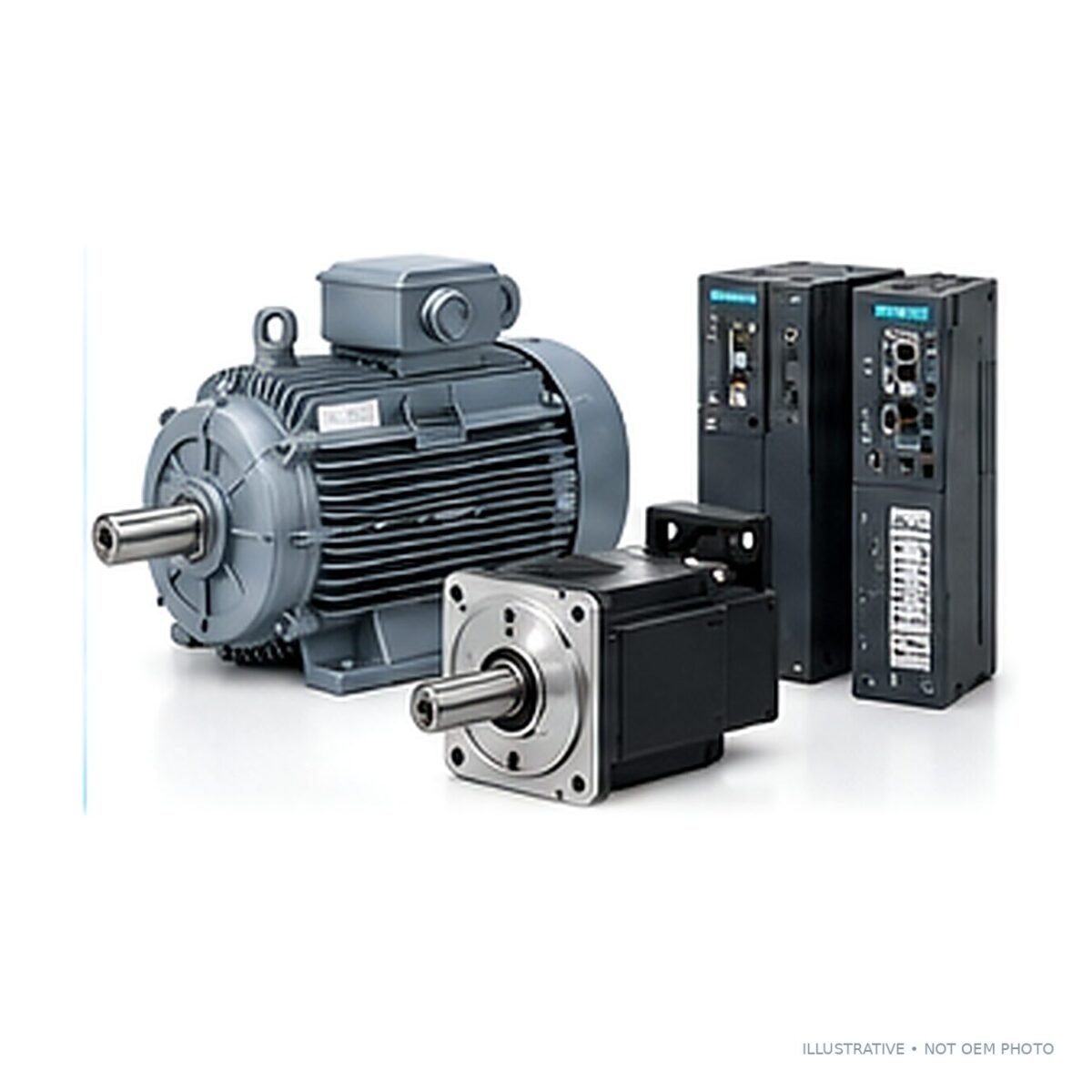
The choice between pneumatic and electric actuation is one of the most consequential decisions in machine design. Both technologies have improved considerably, and the correct answer depends on the duty rather than on a general preference.
Comparison at a glance
- Force density – pneumatics is compact and inexpensive for short strokes; electric wins where force must be held precisely
- Controllability – electric actuators offer programmable position and velocity; a standard air cylinder is effectively two-position
- Speed – pneumatics is very fast for simple strokes; electric is fast but heavier to accelerate
- Energy – compressed air is expensive to generate; electric actuation is more efficient in continuous duty
- Environment – pneumatics suits washdown and hazardous areas more easily; electrics need protection rated to the area
- Cost – pneumatic capital cost is lower for simple motions; electric total cost can win where no compressor is needed
Choose pneumatic when
- The motion is simple end-to-end with little need for intermediate positions
- Speed matters more than precision
- The machine already has clean, dry compressed air available
- The area is wet, dusty or classified
- Light weight and low cost per axis dominate
Choose electric when
- Multiple positions or controlled velocity profiles are required
- Force or position must be held with the power removed, or monitored
- The duty cycle is continuous and energy cost is material
- Repeatability and traceability need to be logged
- Compressed air is not available or is being reduced for efficiency reasons
The hybrid option
Many modern machines mix both. A common pattern is pneumatic for clamping and ejection — short, fast, two-position work — with electric axes for the motion that needs to be programmed. This usually produces the lowest total cost of ownership rather than committing entirely to one technology.
Decision factors worth modelling
- Cost per compressed cubic metre in your plant
- Cycle count over the machine life
- Cost of a position fault on the process
- Available panel space and control architecture
Modelling energy and duty cycle over five years frequently reverses the conclusion a simple capital-cost comparison suggests.


